
How Professional Directors Bring a Script to Life
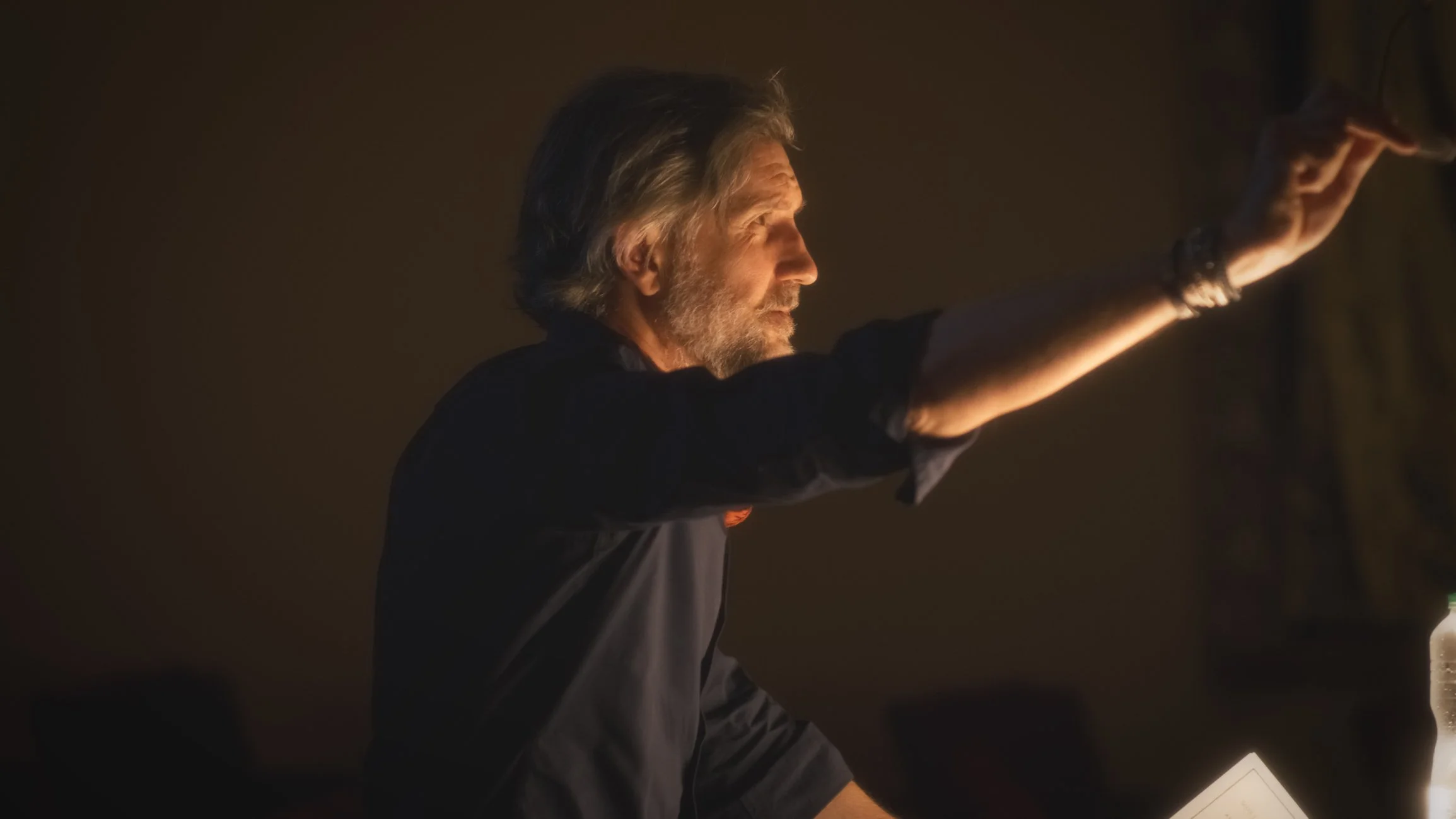
Every unforgettable night at the theatre starts with a few hundred pages of words. Then something incredible happens! Characters start to breathe, songs begin to soar, and a story leaps off the page and straight into your heart. Behind that transformation is one of the most important people in any production: the director.
At the Forestburgh Playhouse, we have celebrated live theatre in Sullivan Catskills since 1947, and we never stop marveling at what great directors do. In this post, we're pulling back the curtain! We'll explore how a director shapes a vision, guides actors through rehearsals, and pulls every creative element together for opening night. By the end, you'll see every show you attend in a bold, brand-new light.
Every Great Show Starts With a Director's Vision!
Before a single actor is cast, the director is already hard at work. It begins with reading the script again and again. Directors study every line, every stage direction, and every song lyric. They ask big questions. What is this story really about? Why does it matter right now? What should the audience feel when they walk out the door? That deep dive becomes the foundation for everything that follows.
From there, the director builds a concept, which is the creative heartbeat of the production. It shapes the look, the mood, and the energy of the entire show. Then the director brings that vision to the design team. Set designers, costume designers, lighting designers, and sound designers all contribute ideas, sketches, and models. Together, they make choices that serve the story. A big-hearted, high-energy musical like Hairspray calls for bright colors and nonstop momentum. A tender, intimate story like The Bridges of Madison County calls for warmth, quiet, and space to breathe. The director makes sure every choice points in the same direction!
Casting and Rehearsals: Where the Magic Takes Shape!
The right cast changes everything. During auditions, directors look for more than great voices and strong acting. They look for performers who truly understand the characters and bring something fresh and exciting to the room. They also think about chemistry. How will these two actors play off each other? Will this ensemble feel like a real community onstage? Casting is part instinct, part experience, and a whole lot of heart!
Once the company gathers, rehearsals begin, and this is where the script truly comes alive. Most productions kick off with a table read, where the cast reads the whole show aloud together for the first time. Next comes blocking, which is the director's plan for where actors move and stand onstage. Blocking tells the story visually, guiding your eye to the most important moment in every scene. Directors also work closely with actors on motivation, relationships, and emotional arcs. They don't hand over every answer. Instead, great directors ask questions, spark discovery, and create a safe, joyful space where actors take creative risks. In summer theatre, rehearsal periods are often remarkably short, so every hour counts. That focused energy makes the process thrilling!
Bringing Every Element Together for Opening Night!
A show isn't finished until every piece clicks into place. As opening night approaches, the production moves into technical rehearsals, often called "tech." This is when lights, sound, set changes, costumes, and props all join the actors onstage for the first time. Tech is detailed, demanding, and essential. The director works side by side with the stage manager, designers, and crew to fine-tune every cue. A lighting shift might land half a second earlier. A scene change might need to move faster. Small adjustments make a massive difference!
For musicals, the director also collaborates closely with the music director and choreographer. Songs and dances must flow seamlessly with the story, so every number pushes the plot forward and deepens the characters. Then comes the final ingredient: you! Once an audience fills the seats, directors watch closely. They notice where you laugh, where you lean in, and where the room goes completely silent. Those reactions help them make final tweaks before the show officially opens. The result is a production that is polished, powerful, and deeply moving, ready to share with our community night after night!
The Curtain Rises, and the Story Becomes Yours!
A director's work starts with a script and a dream. It grows through a clear vision, inspired casting, focused rehearsals, and a tech process that brings every element into harmony. By opening night, the director steps back and lets the cast and crew carry the show. That's the beautiful part! Once the lights go down, the story belongs to the performers onstage and to you in your seat. The next time you join us at the Playhouse, watch for the director's fingerprints in every movement, every lighting shift, and every perfectly timed moment. We can't wait to celebrate the magic of live theatre with you!
Frequently Asked Questions About Professional Theatre Direction
What does a theatre director actually do?
A theatre director leads the creative vision for a production. They interpret the script, shape the overall concept, and guide the design team. They also cast actors, run rehearsals, and stage every scene. In short, the director makes sure every part of the show tells the same story in the clearest and most exciting way possible!
How long does it take a director to prepare a production?
It depends on the show and the theatre. Directors often spend weeks or even months on research, script analysis, and design meetings before rehearsals begin. Once the cast arrives, rehearsal periods vary widely. Summer theatre schedules tend to be fast-paced, so directors arrive with a strong plan and make every rehearsal count.
How does a director work with actors?
Great directors treat rehearsal as a true collaboration. They help actors explore their characters' goals, relationships, and emotions. They also set the blocking, adjust pacing, and offer notes after run-throughs. The best directors ask thoughtful questions rather than dictating every choice, which helps actors give honest, vibrant, and unforgettable performances.
What's the difference between a director and a stage manager?
The director shapes the artistic vision and guides the creative process. The stage manager keeps the entire production organized and running smoothly. During rehearsals, the stage manager tracks blocking, schedules, and notes. Once the show opens, the director's job is largely complete, and the stage manager runs every performance, calling the light and sound cues.
How does a director put a fresh spin on a well-known show?
Even beloved classics feel brand-new in the hands of a great director! They start by asking what the story means to today's audience. Then they make bold choices in casting, design, staging, and tone. The words and music stay the same, but a new perspective uncovers surprising moments and fresh emotions. That's why seeing a favorite show again is always a thrill!
We are the Forestburgh Playhouse, proudly bringing the best of live entertainment to the Sullivan Catskills since 1947! We share professional musicals, plays, cabaret, Broadway concerts, and theatre for young audiences with locals, summer visitors, families, and theatre lovers of every age. Grab your tickets and celebrate the magic of live theatre with us!