
Props 101: The Little Details That Bring a Story to Life
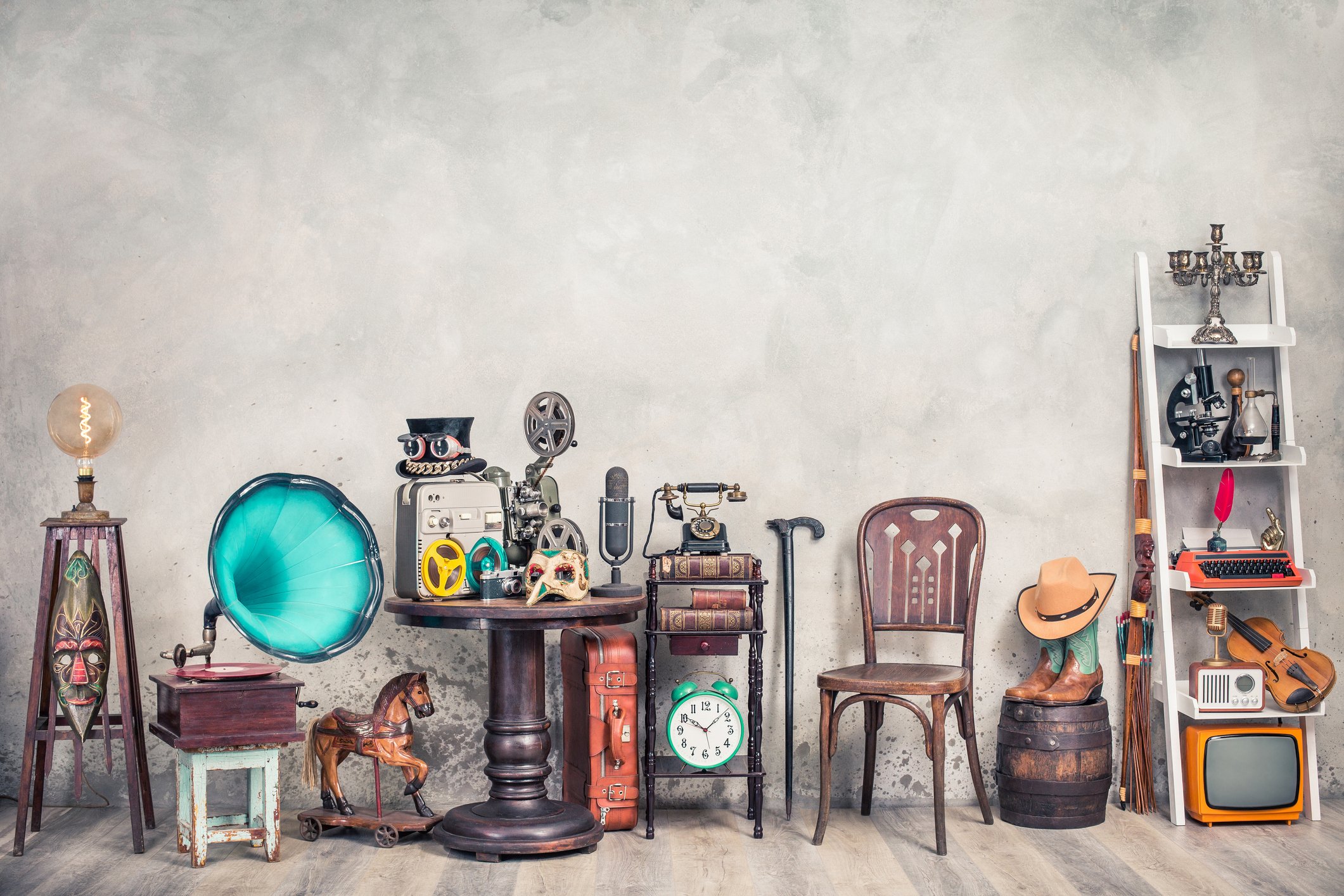
When an audience settles into their seats for a live performance, their attention naturally turns to the actors, music, costumes, scenery, and lighting. Yet some of the most important storytelling tools onstage may be small enough to fit in a performer’s hand. A letter, a suitcase, a telephone, a dinner plate, or even a carefully chosen book can help make an imaginary world feel completely real.
At Forestburgh Playhouse, we know that memorable theatre is built from many moving parts working together. Our professional productions bring performers, technicians, designers, and creative teams together to create experiences for audiences in the Sullivan Catskills. From musicals and plays to cabaret, concerts, theatre for young audiences, and arts education, every production gives us another opportunity to show how thoughtful details can transform a stage into a believable world.
Props are a perfect example. They may not always receive the same attention as a soaring musical number or dramatic monologue, but when they are chosen and used well, they can tell us where we are, who a character is, what matters to them, and even what might happen next.
What Exactly Is a Theatrical Prop?
A prop, short for "property," is generally an object that actors use or interact with during a performance. Props can range from tiny personal items to large pieces that become essential parts of a scene.
Think about a character opening an old letter. The audience does not need to read every word on the page to understand its importance. The paper itself, the way it looks, and the way the actor handles it can tell us that the message has history and emotional weight. A shiny new envelope would create a very different impression.
Props can also help establish time and place. A vintage telephone immediately suggests a different era than a smartphone. A worn travel trunk can suggest a long journey. A particular style of glassware, newspaper, lamp, or kitchen utensil can quietly reinforce the world in which the story takes place.
Some props serve practical purposes. Others carry symbolic meaning. Many do both.
The best props often feel so natural that audiences barely notice them as separate design elements. Instead, they become part of the world of the play.
Props Help Define Characters
One of the most powerful things about a prop is its ability to reveal something about a character before that character says very much at all.
Consider what we can learn from the objects a person carries. A carefully organized briefcase suggests something different from a battered backpack. A treasured photograph may reveal an important relationship. A character who constantly checks a watch might be anxious, impatient, or simply running late.
Actors can also develop relationships with their props. The way a performer handles an object becomes part of the characterization.
A nervous character may fidget with a pen. A confident character might casually toss a set of keys onto a table. Someone receiving an important gift may hold it carefully, while another character might barely glance at the same object.
These choices give performers another way to communicate with audiences.
In live theatre, where every gesture can contribute to the storytelling, an ordinary object can become surprisingly meaningful.
The Right Details Make the World Feel Real
Audiences willingly use their imaginations when they enter a theatre, but thoughtful design makes that process much easier.
A stage does not need to contain every object that would exist in a real room. Instead, designers select details that communicate the information audiences need. The right objects can suggest an entire environment without overwhelming the stage.
A few carefully selected items might make us believe we are inside a busy restaurant, a family home, an office, a train station, or another place entirely.
Those details also have to work with the scenery and costumes around them. A prop that looks completely out of place can distract an audience. A prop that fits naturally into the production supports the illusion.
At Forestburgh Playhouse, our programming spans many different kinds of theatrical experiences, and our campus includes professionally equipped scene and costume shops that support the work involved in creating productions. Bringing each production to life requires collaboration across many departments, and props are one important piece of that larger creative process.
Props Have to Do More Than Look Good
A theatrical prop is not necessarily the same as an ordinary household object.
Onstage, an item may need to survive repeated performances. Actors may pick it up, drop it, carry it, open it, close it, or move it night after night. It needs to look appropriate for the story while also functioning reliably.
That can create interesting challenges.
An object may need to look heavy while actually being light enough for an actor to carry safely. Something that appears fragile might need to survive being handled repeatedly. A book may need to open instantly to a specific page. A suitcase might need to contain another prop that a performer must find quickly during a scene.
Props also need to be consistent. If an actor reaches for a particular object at the same moment during every performance, that object needs to be exactly where expected.
Behind the scenes, organization becomes essential. Props may have designated tables or storage locations so performers and crew members can quickly confirm that everything is ready before the performance begins.
These systems help the action onstage look effortless, even when significant planning is happening behind the scenes.
How Props Support Live Storytelling
Live theatre has something unique that film and television cannot completely duplicate. The story unfolds in real time, with performers and audiences sharing the same space.
That means every object used during the performance becomes part of that live experience.
A prop may trigger a major plot development. A character might discover a letter, reveal an unexpected object, pour a drink, pack a bag, or hand someone an important keepsake. When those moments happen directly in front of an audience, the object can become part of the tension, humor, or emotion of the scene.
Props can also create anticipation.
If an unusual object is placed prominently onstage, audiences may immediately wonder why it is there. Sometimes the answer comes minutes later. Sometimes the object takes on greater significance as the story progresses.
Good storytelling teaches us where to focus our attention, and props can quietly guide that attention.
They may be small details, but they often help connect individual moments into a larger story.
Props Are Part of a Bigger Creative Collaboration
No single theatrical element creates a production by itself.
Actors bring characters to life, but their performances are supported by directors, designers, technicians, musicians, stage managers, crew members, and many other artists working toward the same goal.
Props must fit within that shared vision.
A director may have a particular idea about how an object should be used. A scenic designer may need the prop to complement the setting. Costume choices can influence how easily an actor can carry or access an item. Lighting can change the way an object looks from the audience.
Even a seemingly simple decision can involve collaboration.
That teamwork is one reason theatre can be so exciting for both audiences and artists. Every performance represents the combined work of many people, including individuals whose contributions may happen almost entirely behind the scenes.
Forestburgh Playhouse has long focused on nurturing theatre and the artists who create it while offering professional theatrical productions, arts education, festivals, concerts, cabaret, and other performances. Understanding areas such as props and technical production can give audiences an even greater appreciation for just how much creative work goes into the experience they see onstage.
The Magic Is Often in the Smallest Details
When a production truly draws us into its world, we may not consciously think about every cup, letter, suitcase, photograph, or piece of furniture onstage. That is often a sign that those elements are doing exactly what they should.
Props support actors, establish setting, reveal character, move the plot forward, and strengthen the overall atmosphere of a production. Some become unforgettable symbols. Others simply make a scene feel natural. Together, they contribute to the illusion that allows an audience to leave the everyday world behind and enter a new one for a few hours.
The next time you join us for a performance at Forestburgh Playhouse, take a closer look at the details onstage. You may discover that some of the smallest objects are doing some of the biggest storytelling.
Frequently Asked Questions About Theatrical Props
What is considered a prop in theatre?
A theatrical prop is generally an object used or handled by performers during a production. Props can include everything from letters and books to food, luggage, tools, phones, and decorative objects that play an active role in the scene.
Who is responsible for props during a production?
Prop responsibilities can vary depending on the production and theatre. Members of the production team may help research, source, build, organize, maintain, and prepare props so that actors have the correct objects in the correct places for each performance.
Are theatre props always real objects?
Not necessarily. Some productions use ordinary objects, while others require items to be built, altered, or reproduced specifically for the stage. The goal is to create something that supports the story, looks convincing to the audience, and works reliably during performances.
Why are props important to actors?
Props give actors physical objects to interact with and can help reinforce character choices, movement, and emotional moments. When a prop has meaning within the story, the actor's relationship with that object can become an important part of the performance.
How do props help tell a story?
Props can establish the time period, location, personality of a character, or circumstances of a scene. They can also become important plot devices, helping reveal information or creating moments of suspense, comedy, or emotion.
At Forestburgh Playhouse, we bring professional live entertainment to the Sullivan Catskills through musicals, plays, cabaret, concerts, theatre for young audiences, arts education, festivals, and more. We are proud to bring artists and audiences together to experience the creativity, collaboration, and detail that make live theatre special. Contact us to learn more about upcoming programming and ways to experience the Playhouse.